




Kids martial arts classes provide children with a balanced learning experience that supports both physical activity and personal development. Through structured training, children are encouraged to grow at their own pace while learning valuable life skills. These classes help build confidence, improve focus, and create a sense of discipline in a supportive environment where every child feels valued.
Martial arts training blends movement, awareness, and positive reinforcement to help kids feel capable and motivated. This combination allows children to develop strength, coordination, and mental clarity in an enjoyable setting that fosters both physical health and emotional well-being.
1. Building Confidence Through Skill Development
Kids martial arts classes help children gain confidence by allowing them to learn new skills step by step in a supportive environment. As children practice techniques and see improvement over time, they develop pride in their progress and effort.
This steady growth helps them trust their abilities and feel comfortable taking on challenges at their own pace. Achieving personal milestones reinforces a positive self-image and motivation. Confidence developed in class often carries into school, friendships, and daily activities, supporting overall personal growth.
2. Improving Focus and Attention
Martial arts training encourages children to concentrate on instructions, movements, and timing throughout each session. Kids martial arts classes create routines that support focus improvement through repetition and mindful practice.
Children learn to stay present during activities and complete tasks with care and awareness. This increased attention helps them manage distractions more effectively over time. Improved focus often supports learning, listening skills, and organization in other areas of life, helping children feel more confident and capable.
3. Encouraging Discipline and Structure
Discipline is a core part of children’s karate and martial arts training. Kids martial arts classes introduce clear expectations, respectful behavior, and consistent routines that provide structure. Children learn the importance of listening carefully, following guidance, and practicing patience during each lesson.
These habits help build responsibility, self-control, and a strong sense of respect for themselves and others. Over time, discipline becomes a natural part of how children approach challenges both in and out of class, supporting their overall growth and success.
4. Supporting Physical Fitness for Kids
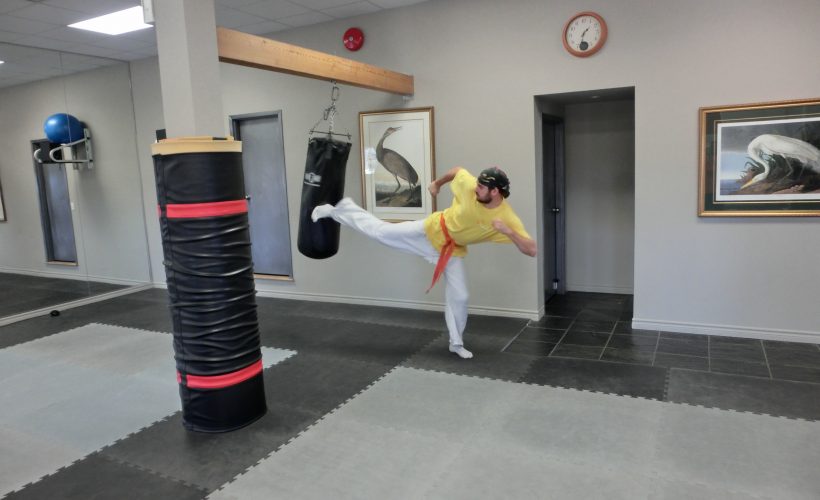
Martial arts classes provide a fun and engaging way to support fitness for kids. Training sessions include movements that build strength, flexibility, balance, and coordination in a structured setting. These activities help children stay active while improving overall physical awareness and control.
Regular movement supports healthy energy levels and body confidence throughout the day. Fitness becomes an enjoyable part of the learning experience rather than a chore, encouraging children to stay motivated and involved. Reach out to Villari’s Martial Arts Centres now and start your child’s martial arts journey.
5. Teaching Self-Defense for Children
Self-defense for children is taught in a controlled and age-appropriate way within kids martial arts classes. Children learn awareness, personal safety, and appropriate responses to different situations through guided instruction.
These lessons help kids feel secure and prepared without encouraging aggression or fear. Understanding how to respond calmly builds inner confidence and reassurance. Self-defense training supports both physical awareness and emotional readiness, helping children feel balanced and confident in their everyday activities.
6. Developing Emotional Control
Martial arts training helps children learn how to manage emotions in a positive way. Kids martial arts classes encourage calm responses, patience, and thoughtful reactions during each activity. Children practice staying composed during challenges and develop the ability to pause and refocus when needed.
This emotional balance supports confidence and resilience in everyday situations. Over time, kids become more comfortable handling pressure and change, allowing them to approach new experiences with a steady and confident mindset.
7. Strengthening Social Skills and Teamwork
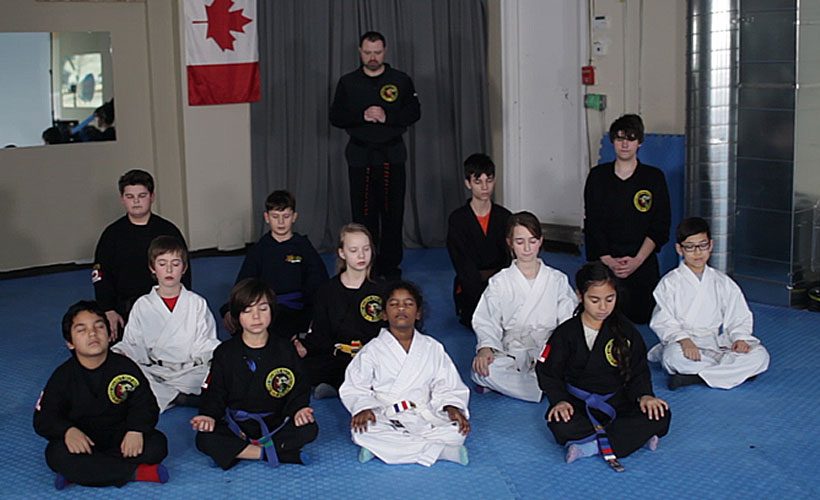
Group training in kids martial arts classes creates opportunities for positive social interaction. Children learn cooperation, encouragement, and respect for others through shared practice and group activities. Practicing alongside peers builds communication skills and helps children feel comfortable expressing themselves.
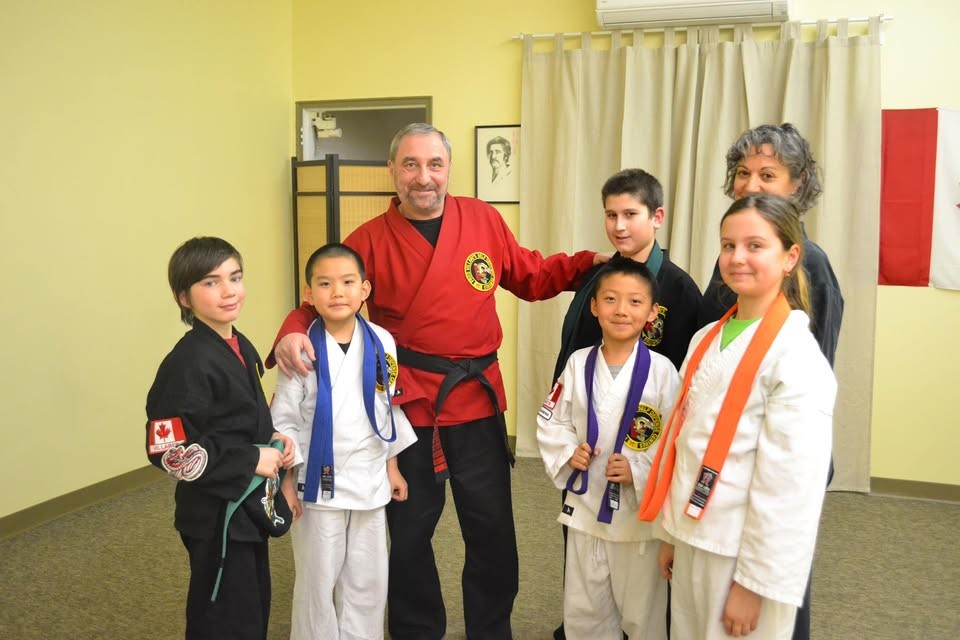
Supportive class environments help kids feel connected and valued within the group. These social experiences encourage teamwork and patience, contributing to overall confidence and focus as children learn to grow together in a structured setting.
Conclusion
Kids martial arts classes offer a meaningful way to support children’s growth in confidence, focus, and discipline. Through physical movement, structured learning, and positive guidance, children develop skills that benefit them both inside and outside the classroom.
Martial arts training encourages balance, awareness, and self-belief in a supportive environment. These experiences help children feel strong, capable, and motivated as they continue to grow. A consistent martial arts routine can play an important role in building lifelong confidence and focus while supporting healthy habits and personal development.
