




Choosing the right martial arts programme for your child is not just about finding a place to learn kicks and punches. It is about finding a structured environment where children grow physically, emotionally, and socially. Villari’s Self Defense Centres in Toronto has been providing children’s martial arts instruction for decades, guided by a curriculum that goes well beyond physical technique.
This post explores what makes Villari’s approach distinct, what children can realistically expect to learn, and why parents across Toronto continue to choose this centre for their kids.
What Is Villari’s Self Defense?
Villari’s is a martial arts organisation with a long-standing history rooted in the Shaolin Kempo tradition. The Toronto location offers structured programmes for children of various ages, taught by qualified instructors who follow a progressive belt system. The curriculum is designed to develop not just self-defence skills but broader personal qualities that benefit children in school, at home, and in social settings.
Unlike drop-in fitness classes or recreational sports leagues, Villari’s operates with a clear pedagogical structure. Students advance through ranked levels, each requiring demonstrated proficiency in both technique and attitude.
The Core Elements of Children’s Martial Arts at Villari’s
Physical Fitness and Coordination
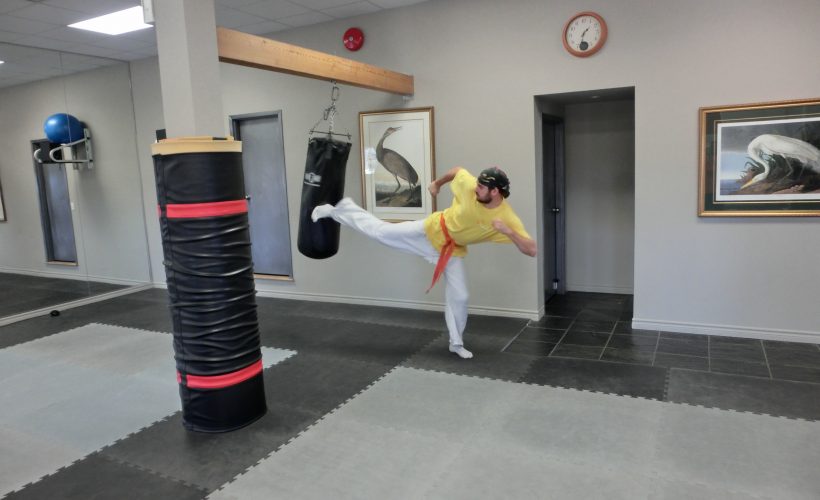
Children’s bodies are still developing, and structured physical activity plays a significant role in that development. The children’s martial arts programme at Villari’s incorporates movement patterns that build balance, coordination, flexibility, and strength in age-appropriate ways.
Unlike team sports where a child’s contribution can be obscured by the group, martial arts training is individual. Each child works at their own pace and witnesses their own physical progress firsthand, which reinforces motivation.
Discipline and Focus
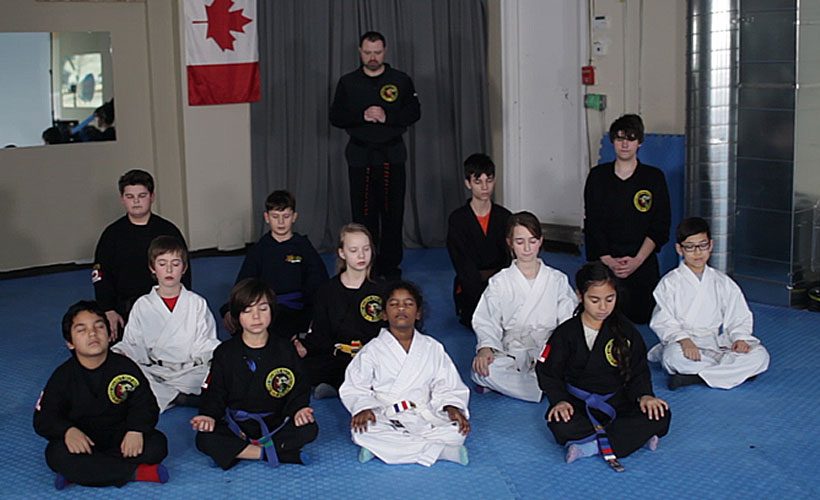
One of the most consistent things parents report after enrolling their children in martial arts is an improvement in focus and self-regulation. The class environment at Villari’s requires children to listen carefully, follow instructions, and maintain attention over extended periods.
These habits transfer. Children who practise waiting their turn, repeating techniques until correct, and showing respect to instructors tend to carry those behaviours into academic and social contexts.
Confidence Building
Confidence in children does not come from being told they are capable. It comes from doing hard things and succeeding. The belt progression at Villari’s is deliberately structured so children experience achievable challenges at each stage. When a child earns a new belt, it is because they have genuinely met a standard, not simply because time has passed.
This distinction matters. Children develop what researchers sometimes call self-efficacy: a belief in their ability to accomplish goals through effort. That belief is transferable to situations far beyond the dojo.
Respect and Social Skills
Martial arts training has a long tradition of emphasising respect between students and instructors. At Villari’s, this is not ornamental. Students are expected to greet instructors respectfully, listen without interrupting, and support rather than undermine their classmates.
For many children, this is one of the first structured environments outside school where respect is both expected and modelled consistently by adults. The social norms of the class become internalised over time.
How Villari’s Approaches Child Safety and Anti-Bullying
Parents often enrol children in self-defence classes with concerns about bullying in mind. Villari’s addresses this thoughtfully. The goal of the children’s programme is not to train children to be aggressive but to give them the awareness, confidence, and verbal skills to de-escalate or avoid conflict.
Children learn to recognise potentially unsafe situations, set boundaries assertively, and seek help from trusted adults. Physical self-defence techniques are taught within an ethical framework that emphasises restraint and responsibility.
This approach aligns with how child psychology professionals generally advise parents to handle bullying: not by encouraging retaliation, but by building a child’s self-confidence and communication skills to a point where they are less likely to be targeted and better equipped to respond.
Age Groups and Programme Structure
Villari’s organises its children’s classes by age group to ensure the curriculum is developmentally appropriate. Younger children have classes that emphasise fun, basic movement, and listening skills. Older children and pre-teens work on more complex techniques, greater physical conditioning, and leadership within the group.
The table below provides a general overview of how the programme is structured:
| Age Group | Program Focus | Key Skills Developed |
|---|---|---|
| 4 to 6 years | Foundational learning through play | Listening skills, basic coordination, following instructions |
| 7 to 10 years | Technique building and discipline | Belt progression, focus, teamwork, physical development |
| 11 to 13 years | Advanced techniques and leadership | Self-defense application, confidence, responsibility |
Each group benefits from a class environment calibrated to where children are developmentally, which makes the learning experience more effective and more enjoyable.
What to Expect in a Typical Class
For parents considering enrolling their child for the first time, it helps to understand what a class actually looks like.
Classes at Villari’s typically begin with a structured warm-up involving movement drills and stretching. Students then work on specific techniques, forms (sequences of movements called katas), or partner-based exercises depending on their level. Classes end with a cool-down and often a brief group discussion or reflection moment.
Instructors maintain a firm but encouraging tone. Mistakes are treated as part of the learning process, not occasions for embarrassment. The class environment is one where effort is valued alongside achievement.
The Role of Parents in a Child’s Martial Arts Journey
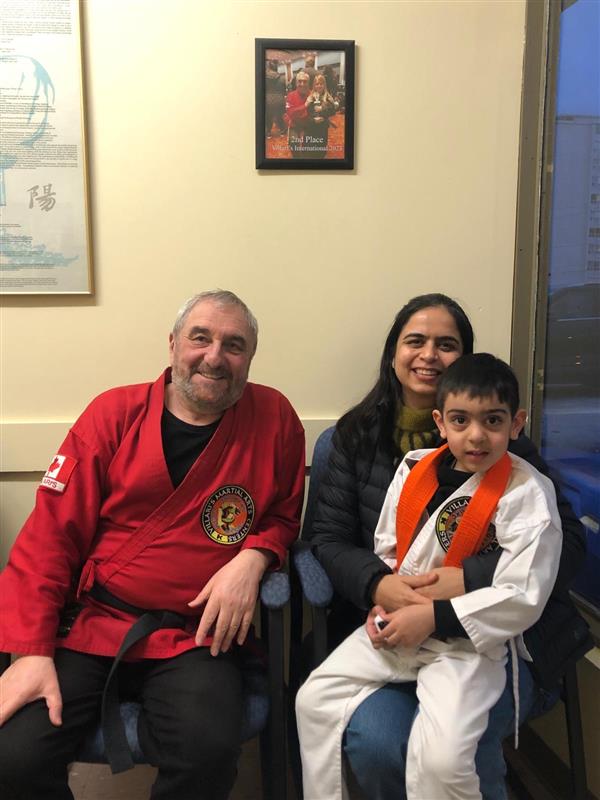
Parental involvement makes a measurable difference in how well children progress in martial arts. Children whose parents show interest in their training, ask questions about what they learned, and attend occasional classes or belt ceremonies tend to stay motivated longer and develop more consistent habits.
Villari’s encourages parents to stay engaged without over-directing. The goal is for the child to feel ownership of their progress while knowing that the adults in their life value what they are doing.
Simple habits help: reviewing techniques briefly at home, celebrating belt promotions genuinely, and framing training as a long-term commitment rather than a short-term experiment.
Comparing Martial Arts to Other After-School Activities
There are many after-school options for children, from team sports to music lessons to academic tutoring. Each has its place. What distinguishes martial arts specifically is the combination of physical activity, individual progression, and explicit character education within a single programme.
Team sports build cooperation and physical fitness but often do not include structured reflection on character or personal growth. Academic tutoring addresses intellectual development but does not engage the body. Music and arts programmes build patience and creativity but often lack physical conditioning.
Children’s martial arts at a centre like Villari’s provides an environment where the body, mind, and social skills are all engaged in a coherent way. It is not necessarily a replacement for other activities, but it complements them in a distinctive way.
Getting Started at Villari’s Toronto
For families considering enrolling their child, the first step is to reach out and ask questions. The team at Villari’s can explain the programme in more detail, discuss which class group is appropriate for your child’s age and experience, and arrange a trial class.
It is worth visiting the centre before committing. Seeing how instructors interact with students and how the class environment feels in person gives parents a clearer picture than any description can.
To learn more or to get in touch, visit the Villari’s contact page.
