




Martial arts are widely known for teaching discipline and self-defense, but their benefits extend much further. Today, people of all ages are exploring martial arts training as a way to support mental well-being, build confidence, and stay physically active.
Whether adults are looking to reduce stress or parents are considering a childrens self defense class for their kids, martial arts offer a structured and balanced approach to overall wellness. The increasing awareness around the fitness and health advantages of martial arts reflects how these practices contribute to both physical and mental development. This article explores how martial arts classes can positively influence mental health, confidence, and fitness in a practical and sustainable way.Understanding Martial Arts as a Holistic Practice
Martial arts combine physical techniques with mental discipline and emotional control. Unlike many forms of exercise, they encourage a balanced approach to personal development.Core Elements of Martial Arts Training
- Controlled and purposeful movement
- Breathing and mindfulness techniques
- Focus and concentration
- Respect and discipline
- Structured progression through levels
Mental Health Benefits of Martial Arts
Mental well-being is an important part of overall health, and martial arts training provides a consistent and structured way to support it.Stress Reduction and Emotional Balance
Training sessions often include repetitive movements and controlled breathing, which can help calm the mind and regulate emotions. Benefits include:- Lower stress levels
- Improved emotional stability
- Better ability to handle pressure
Improved Focus and Concentration
Martial arts require attention to detail and continuous learning. Over time, practitioners develop stronger concentration skills that can be applied in daily life. This can lead to:- Better mental clarity
- Improved memory
- Increased productivity
Managing Anxiety and Building Resilience
Martial arts training introduces controlled challenges, allowing individuals to gradually build resilience.How Training Supports Mental Strength
- Encourages problem-solving under pressure
- Builds confidence through repetition
- Reduces fear by increasing familiarity with situations
Building Confidence Through Martial Arts
Confidence develops naturally as individuals progress through martial arts training.Skill Development and Self-Belief
Learning new techniques and improving performance creates a sense of achievement. This contributes to:- Higher self-esteem
- Greater self-awareness
- Increased confidence in physical abilities
Overcoming Challenges
Martial arts emphasize gradual progress, teaching individuals to stay consistent and patient.Key Lessons Learned
- Progress comes with practice
- Mistakes are part of learning
- Persistence leads to improvement
Social Confidence and Interaction
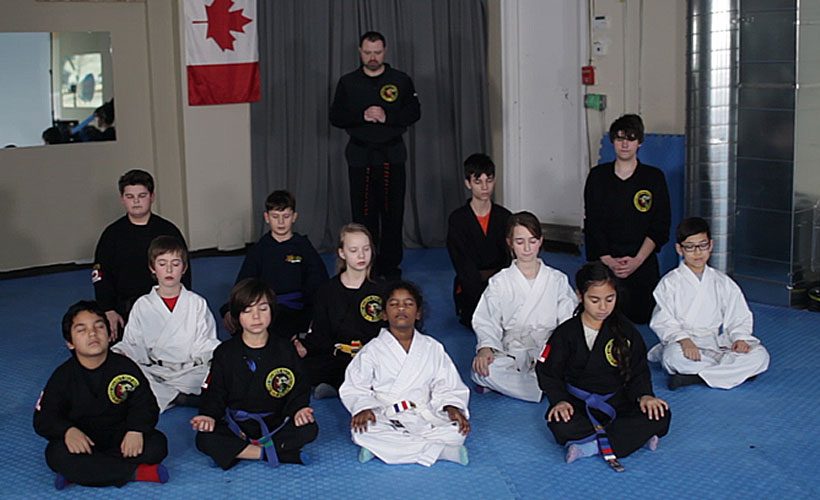
Training in a group setting helps individuals become more comfortable interacting with others. For children, participating in a childrens self defense class can support:- Better communication skills
- Increased confidence in social settings
- Stronger peer relationships
Physical Fitness Benefits of Martial Arts
Martial arts training provides a comprehensive form of exercise that supports overall health.Full-Body Conditioning
Training sessions engage multiple muscle groups, helping improve:- Strength
- Flexibility
- Coordination
- Balance
Cardiovascular and Endurance Benefits
The dynamic nature of martial arts helps improve heart health and stamina. Regular training can result in:- Better endurance
- Improved circulation
- Increased energy levels
Weight Management and Muscle Development
Martial arts offer an effective way to stay active while building lean muscle.- Supports calorie burning
- Improves muscle tone
- Helps maintain a healthy weight
Benefits of Martial Arts for Children
Children can gain both physical and mental advantages from structured martial arts programs.Discipline and Routine
Martial arts classes teach children the importance of following instructions and maintaining consistency.Focus and Academic Support
Improved concentration during training often translates into better focus in school and daily activities.Personal Safety Awareness
Enrolling children in a structured program helps them understand basic safety principles and how to respond to challenging situations. Parents can explore age-appropriate programs through childrens self defense class to understand how training is designed for younger participants.Comparing Martial Arts Benefits Across Age Groups
| Age Group | Mental Benefits | Physical Benefits | Social Benefits |
|---|---|---|---|
| Children | Enhanced focus and discipline | Improved coordination and flexibility | Stronger interaction and teamwork skills |
| Teenagers | Better stress management and confidence | Increased strength and endurance | Improved peer bonding and communication |
| Adults | Reduced anxiety and improved mental clarity | Enhanced fitness and weight control | Greater community involvement |
| Seniors | Active cognitive engagement | Better balance and mobility | Increased social participation |
Integrating Martial Arts Into a Healthy Lifestyle
Martial arts can complement other aspects of a healthy lifestyle, including:- Regular physical activity
- Balanced nutrition
- Mental wellness practices
Common Misconceptions About Martial Arts Training
It Is Only About Fighting
Most martial arts programs focus on discipline, control, and self-improvement rather than aggression.It Requires High Fitness Levels
Training is adaptable and suitable for beginners as well as experienced individuals.It Is Only for Young People
Martial arts training can benefit people of all ages, including older adults.Best Practices for Getting Started
- Start with beginner-friendly classes
- Maintain consistency in training
- Focus on technique rather than speed
- Listen to instructors and follow guidance
